
Introduction
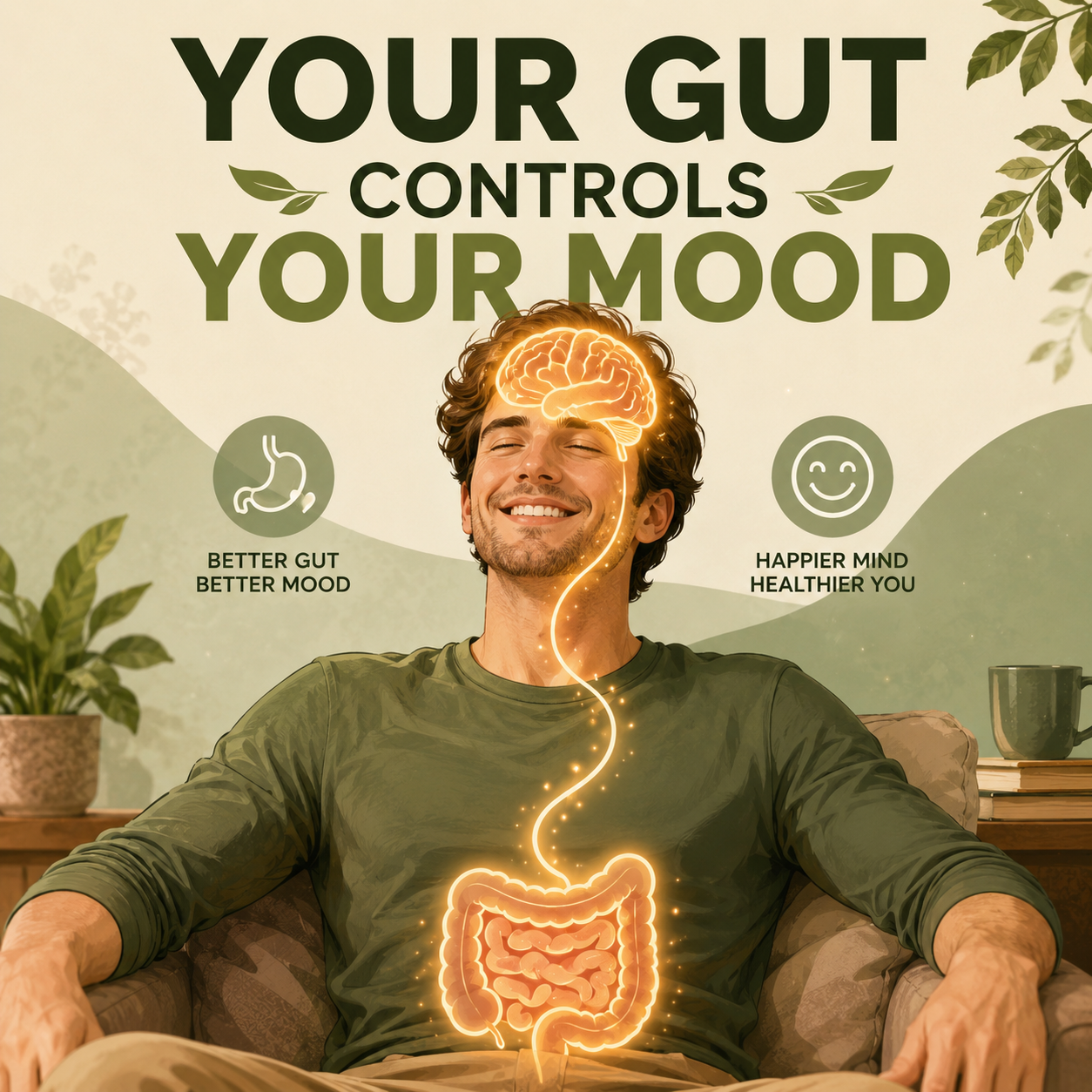
You know the feeling: a big presentation has your stomach in knots, or a stressful week leaves you reaching for comfort food you don’t even really want. That’s not just a coincidence or a figure of speech — it’s biology. Scientists now understand that your gut and your brain are in constant, two-way communication through what’s called the gut-brain axis, a network of nerves, hormones, and chemical messengers linking your digestive system directly to your emotional state.
For the roughly 60–70 million Americans living with a digestive disorder, and for the millions more navigating anxiety, brain fog, or low mood, this connection isn’t just academic — it’s a genuine opportunity. Understanding how your gut influences your brain (and vice versa) opens the door to real, actionable strategies for feeling calmer, sharper, and more emotionally resilient, starting with what’s on your plate.

What Exactly Is the Gut-Brain Axis?
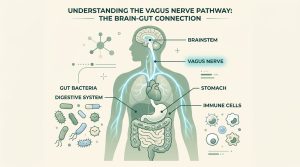
The gut-brain axis is the biological superhighway connecting your central nervous system (your brain and spinal cord) to your enteric nervous system — often nicknamed the “second brain” that lives in the lining of your gastrointestinal tract. This second brain contains over 100 million nerve cells, more than you’ll find in your spinal cord.
Communication travels in both directions through three main channels:
The Vagus Nerve: The Direct Line
The vagus nerve is the longest cranial nerve in the body, running from your brainstem down through your chest and into your abdomen. Think of it as a biological fiber-optic cable, carrying real-time signals between your gut and brain. In fact, an estimated 80–90% of the information traveling along the vagus nerve flows upward — from the gut to the brain — meaning your stomach is talking to your brain far more than your brain is talking to it.
The Immune System Messenger Service
Roughly 70% of your immune system resides in your gut. When your gut lining is irritated or inflamed, immune cells release signaling molecules called cytokines that can travel to the brain and influence mood, contributing to feelings of fatigue, irritability, or even symptoms resembling depression.
The Hormonal and Microbial Connection
Your gut microbiome — the trillions of bacteria living in your intestines — produces and regulates hormones and neurotransmitters that directly affect brain chemistry. This is where things get especially interesting.
Serotonin: Why “Happy Chemical” Production Starts in Your Stomach, Not Your Brain
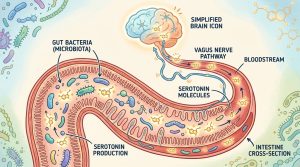
Here’s a fact that surprises most people: an estimated 90–95% of your body’s serotonin is produced in the gut, not the brain. Serotonin, often called the “happy hormone,” plays a central role in regulating mood, sleep, and appetite.
Specialized cells in your intestinal lining, called enterochromaffin cells, manufacture serotonin with help from your gut bacteria. This gut-based serotonin primarily regulates digestion itself — but the process also influences the vagus nerve signaling that ultimately shapes how you feel emotionally.
Your gut microbes are also involved in producing or regulating other key neurotransmitters and precursors, including:
- GABA (gamma-aminobutyric acid), which has a calming, anti-anxiety effect
- Dopamine precursors, tied to motivation and pleasure
- Tryptophan metabolism, the amino acid your body needs to build serotonin in the first place
Why This Matters for Everyday Americans
This explains why chronic digestive issues — like Irritable Bowel Syndrome (IBS), which affects an estimated 10–15% of U.S. adults — so frequently co-occur with anxiety and depression. It’s not “all in your head.” It may genuinely start in your gut.
The Vicious Cycle: How Stress and Poor Gut Health Feed Each Other
The gut-brain relationship is bidirectional, which means it can work for you — or against you.
When Stress Hits, Your Gut Feels It First
Ever notice “butterflies” before a job interview, or an upset stomach during a stressful family visit? When your brain perceives stress, it triggers the release of cortisol and adrenaline, which can:
- Slow or speed up digestion
- Increase intestinal permeability (sometimes called “leaky gut”)
- Disrupt the balance of beneficial gut bacteria
- Trigger inflammation in the gut lining
When Your Gut Suffers, Your Mood Follows
An imbalanced gut microbiome — known as dysbiosis — has been linked in research to increased anxiety-like behavior, low mood, and reduced stress resilience. This creates a feedback loop: stress harms gut health, and poor gut health amplifies stress and low mood, which further harms the gut.
Breaking this cycle is where real, practical change happens.
How to Support Your Gut-Brain Axis: Practical Strategies for Americans
The good news is that this axis is highly responsive to lifestyle changes. Small, consistent shifts can meaningfully improve both digestive comfort and emotional well-being.
1. Eat for Microbial Diversity
A more diverse gut microbiome is generally associated with better mental resilience. Aim to include:
- Fermented foods: Greek yogurt, kefir, sauerkraut, kimchi, and kombucha — all widely available at most U.S. grocery chains like Trader Joe’s, Whole Foods, and increasingly at mainstream supermarkets
- Fiber-rich foods: Beans, lentils, oats, and a wide variety of vegetables feed beneficial bacteria (an easy win: swap white rice for a bean-and-veggie bowl a few times a week)
- Polyphenol-rich foods: Berries, dark chocolate, and coffee (in moderation) support beneficial bacterial strains
2. Rethink the Standard American Diet
The typical U.S. diet — high in ultra-processed foods, added sugar, and industrial seed oils — has been associated with reduced microbial diversity and higher rates of inflammation. You don’t need to overhaul everything overnight; start by swapping one processed snack a day for a whole-food alternative, like fruit with nut butter instead of a packaged granola bar.

3. Manage Stress Intentionally
Because stress directly disrupts gut function, stress management is a legitimate gut-health strategy, not just a “nice to have”:
- Diaphragmatic breathing before meals can activate the vagus nerve and shift your body into “rest and digest” mode
- A short daily walk, even 10–15 minutes, has been shown to support both mood and digestive motility
- Consistent sleep (7–9 hours) is essential, since sleep deprivation disrupts the microbiome within days
4. Consider Probiotics and Prebiotics Thoughtfully
Certain probiotic strains, sometimes called “psychobiotics,” have been studied specifically for their mood-related effects. If you’re considering a supplement, look for products with clinically studied strains, and consider discussing options with a registered dietitian or physician — especially if you have an underlying digestive condition.
5. Move Your Body Regularly
Exercise doesn’t just benefit your muscles and heart — it’s one of the most well-supported ways to increase beneficial gut bacterial diversity, while also directly boosting mood through endorphin release.

When to Seek Professional Support
While lifestyle changes can make a real difference, persistent digestive symptoms paired with mood changes deserve professional attention. Consider reaching out to a gastroenterologist, primary care provider, or mental health professional if you’re experiencing:
- Chronic digestive pain, bloating, or irregular bowel habits lasting more than a few weeks
- Persistent low mood, anxiety, or loss of interest in daily activities
- Significant changes in appetite, sleep, or energy alongside digestive symptoms
An integrated approach — one that treats gut and mental health together rather than as separate issues — is increasingly recognized as best practice in U.S. healthcare settings.
Conclusion: Your Gut Is Talking — Are You Listening?
The gut-brain axis isn’t just a fascinating area of science; it’s a practical, empowering reminder that mental well-being isn’t only shaped by what happens in your head. From the serotonin manufactured in your intestinal lining to the daily signals traveling up your vagus nerve, your digestive health and your emotional health are deeply, biologically intertwined.
The best part? You have real influence here. Every meal, walk, and good night’s sleep is an opportunity to support both a happier gut and a calmer mind.
Ready to start? Pick one small change today — add a serving of fermented food to your next meal, take a 10-minute walk after lunch, or try five minutes of deep breathing before dinner. Your gut (and your mood) will thank you.