
5. Move Your Body Regularly
Exercise doesn’t just benefit your muscles and heart — it’s one of the most well-supported ways to increase beneficial gut bacterial diversity, while also directly boosting mood through endorphin release.

When to Seek Professional Support
While lifestyle changes can make a real difference, persistent digestive symptoms paired with mood changes deserve professional attention. Consider reaching out to a gastroenterologist, primary care provider, or mental health professional if you’re experiencing:
- Chronic digestive pain, bloating, or irregular bowel habits lasting more than a few weeks
- Persistent low mood, anxiety, or loss of interest in daily activities
- Significant changes in appetite, sleep, or energy alongside digestive symptoms
An integrated approach — one that treats gut and mental health together rather than as separate issues — is increasingly recognized as best practice in U.S. healthcare settings.
Conclusion: Your Gut Is Talking — Are You Listening?
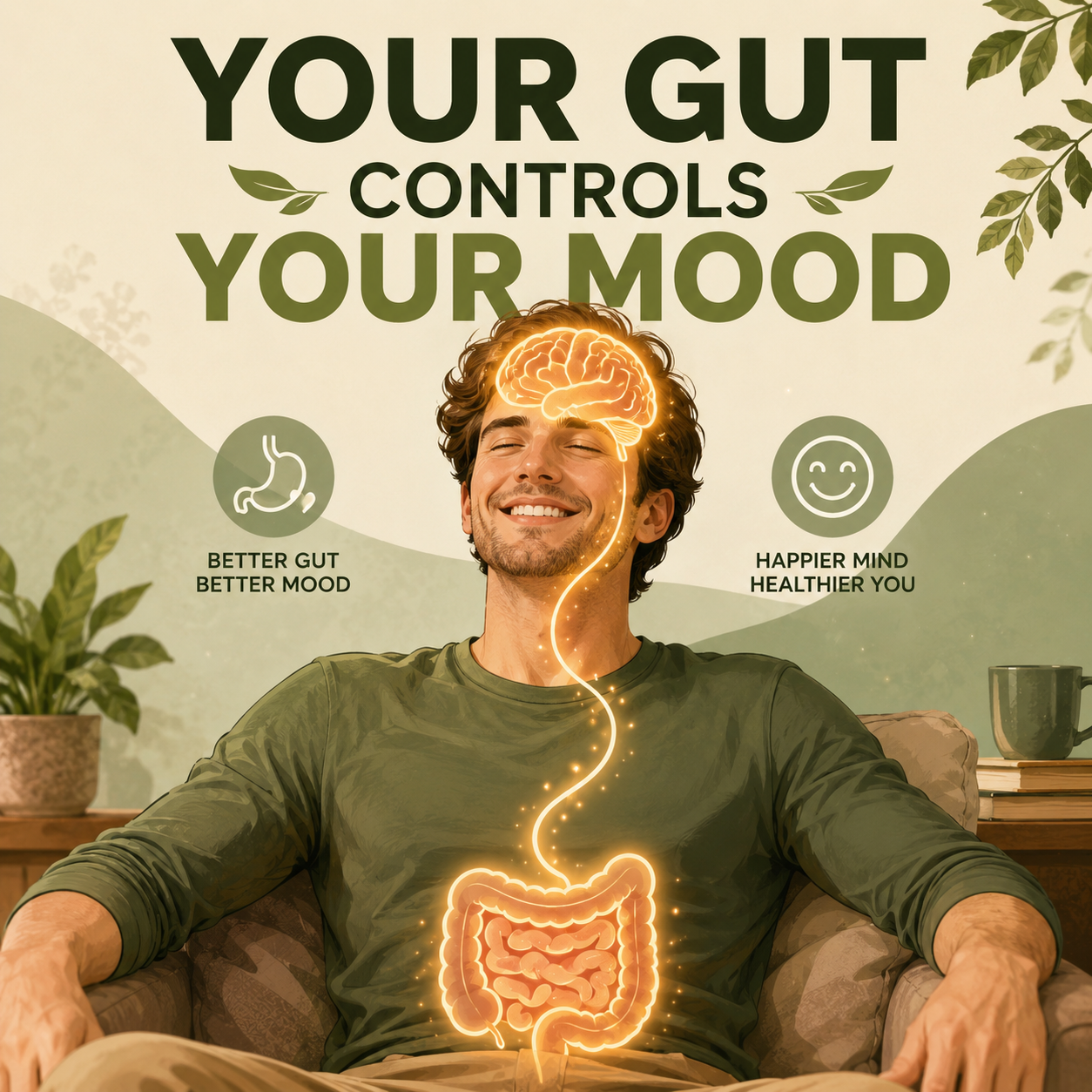
The gut-brain axis isn’t just a fascinating area of science; it’s a practical, empowering reminder that mental well-being isn’t only shaped by what happens in your head. From the serotonin manufactured in your intestinal lining to the daily signals traveling up your vagus nerve, your digestive health and your emotional health are deeply, biologically intertwined.
The best part? You have real influence here. Every meal, walk, and good night’s sleep is an opportunity to support both a happier gut and a calmer mind.
Ready to start? Pick one small change today — add a serving of fermented food to your next meal, take a 10-minute walk after lunch, or try five minutes of deep breathing before dinner. Your gut (and your mood) will thank you.